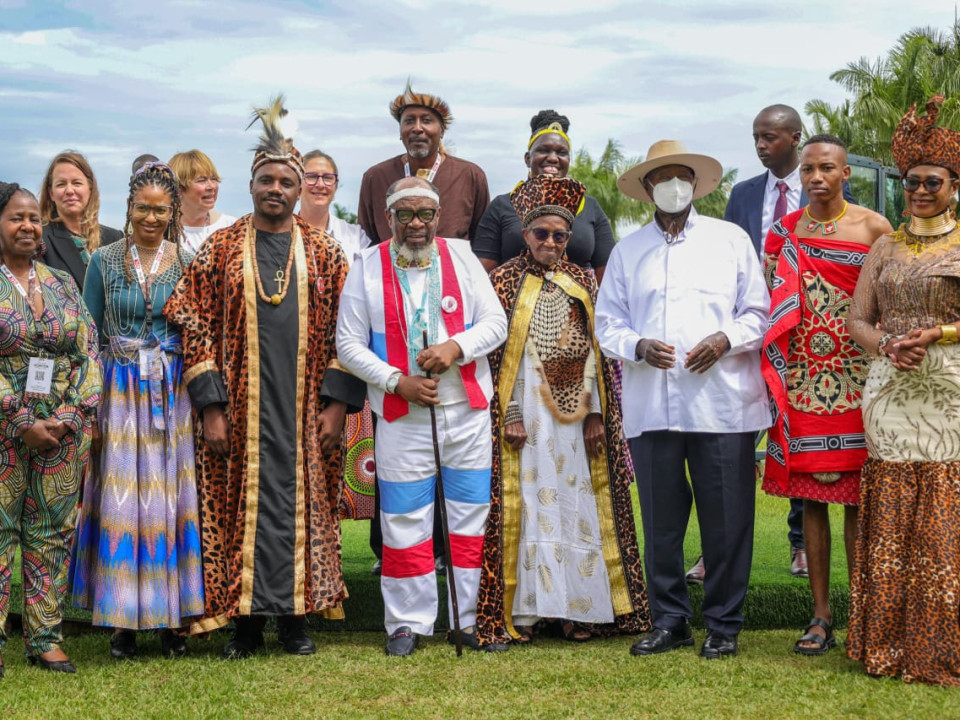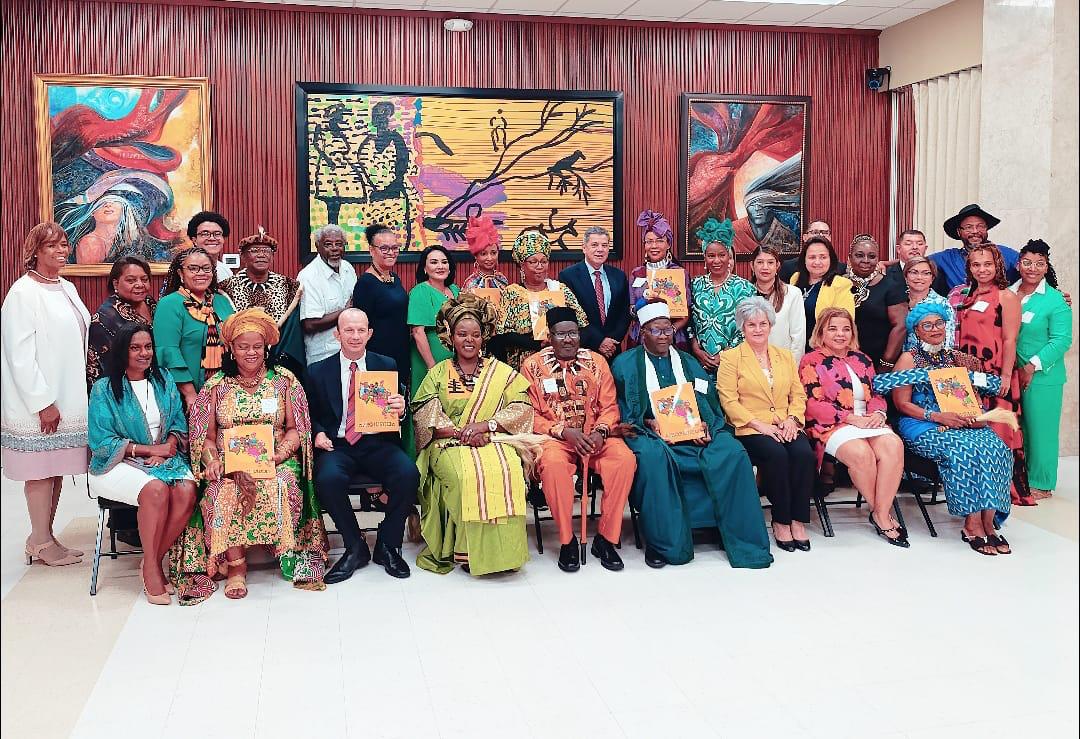
Over 60 Traditional leaders to Gather in Kampala for 8th AIDO Pan-African Summit
March 9, 2026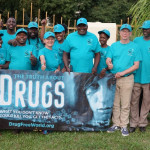
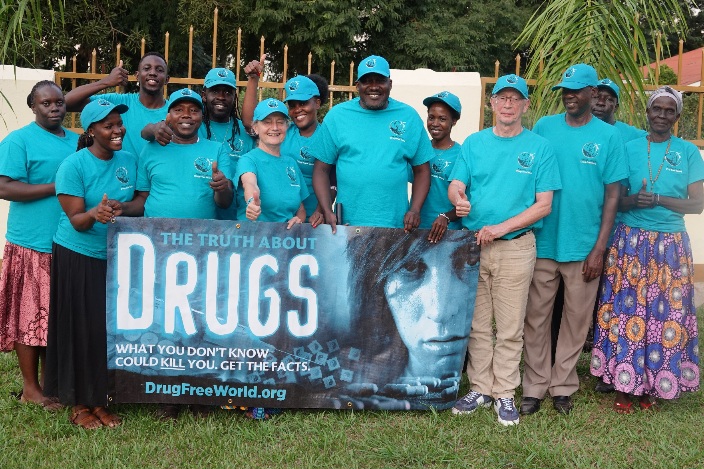
AIDO Takes Drug Abuse Fight to Schools Across Uganda
April 4, 2026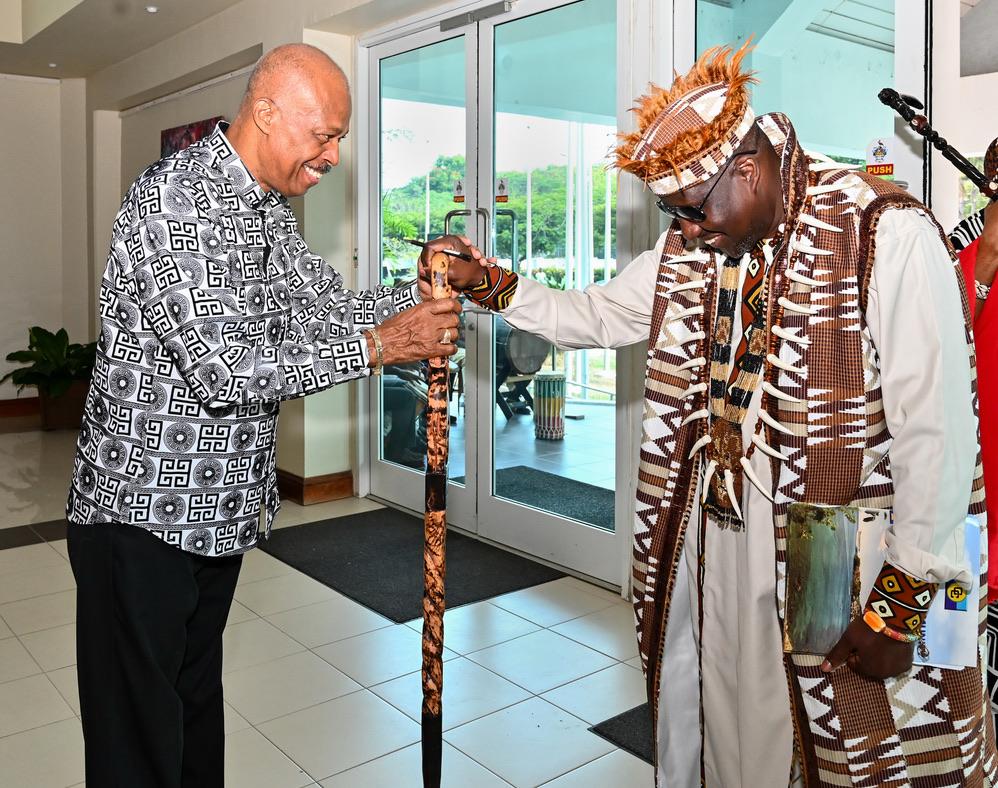
The adoption of the United Nations General Assembly resolution declaring the transatlantic enslavement of Africans as the gravest crime against humanity marks a defining moment in global history. Championed by Ghana and supported by Africa and the Caribbean, the decision has been widely celebrated as a moral and political breakthrough in the long struggle for reparatory justice.
Yet, as this historic victory is recorded and retold, a troubling silence lingers.
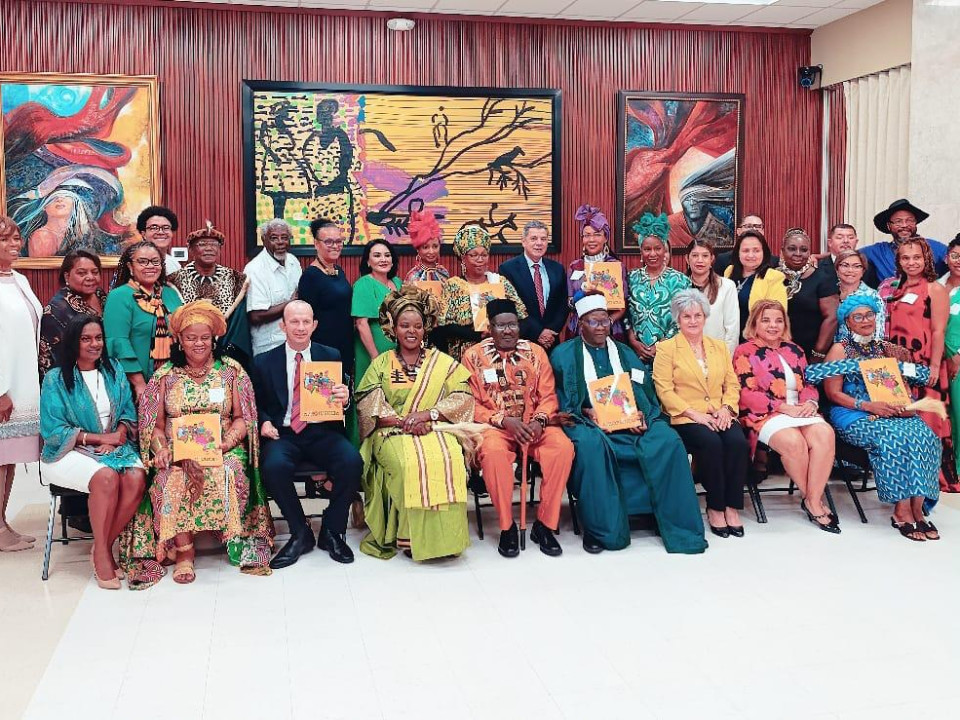
Many have written, and many more will write, about this achievement. But where, in these narratives, are the intellectual architects and moral voices who laid the foundation for this moment? Where is the acknowledgment of Prof. Sir Hilary Beckles, Chair of the CARICOM Reparations Commission, whose decades of scholarship and advocacy helped shape the global reparations discourse? Where is Verene Shepherd, whose work has persistently amplified the historical truth and moral urgency of this cause? Where, too, are Chief Eric Phillips and Dr. Hillary Browns, whose contributions have strengthened the intellectual and cultural framework of this movement?
This resolution did not emerge in isolation. It stands on the shoulders of the Caribbean’s long and disciplined advocacy, particularly the vision articulated in the CARICOM Ten-Point Plan for Reparatory Justice, a document that has become a guiding reference for global engagement on this issue. Indeed, CARICOM’s leadership has been instrumental in moving the conversation from historical acknowledgment to structured demands for repair.
The resolution itself, supported by 123 nations despite resistance from major Western powers, calls not only for recognition, but for tangible steps: apology, restitution, compensation, and the return of stolen heritage. It reflects a growing international consensus that the legacy of slavery is neither distant nor abstract, but present, material, and unresolved.
And yet, even within this triumph, the absence of proper recognition raises an important question: who gets remembered in history, and who is quietly written out?
There was, in the tone and delivery of the speeches, particularly those emerging from Africa, a familiar cadence, a depth of narrative, a style of persuasion that echoed the intellectual traditions long cultivated within the Caribbean reparations movement. It is difficult not to sense the invisible influence of those who have laboured, often without global spotlight, to shape the language, logic, and moral force of this cause.
This moment belongs to Africa and its diaspora. But it is also the culmination of a shared struggle, one that has been researched, articulated, and defended over decades by scholars, activists, and institutions whose names must not be omitted from the historical record.
If this resolution is to stand as a milestone in the pursuit of justice, then its story must be told in full. Not only as a diplomatic victory, but as the result of enduring intellectual labour, collective memory, and unwavering advocacy.
To celebrate the outcome while neglecting its architects is to risk repeating the very erasures this resolution seeks to correct.
AIDO PRESS UNIT